Creating a personal hacking lab is essential for anyone serious about learning ethical hacking and penetration testing. This guide will walk you through the process of setting up a comprehensive hacking lab using the latest technologies and tools available in 2024/2025.
A Comprehensive Guide to Using NmapNmap, short for Network Mapper, is a powerful open-source tool used for network exploration, security auditing, and more. It is widely used by network administrators and security professionals to discover hosts and services on a computer network, thus creating a “map” of the network. This guide will walk you through Hacker Noob TipsHacker Noob Tips
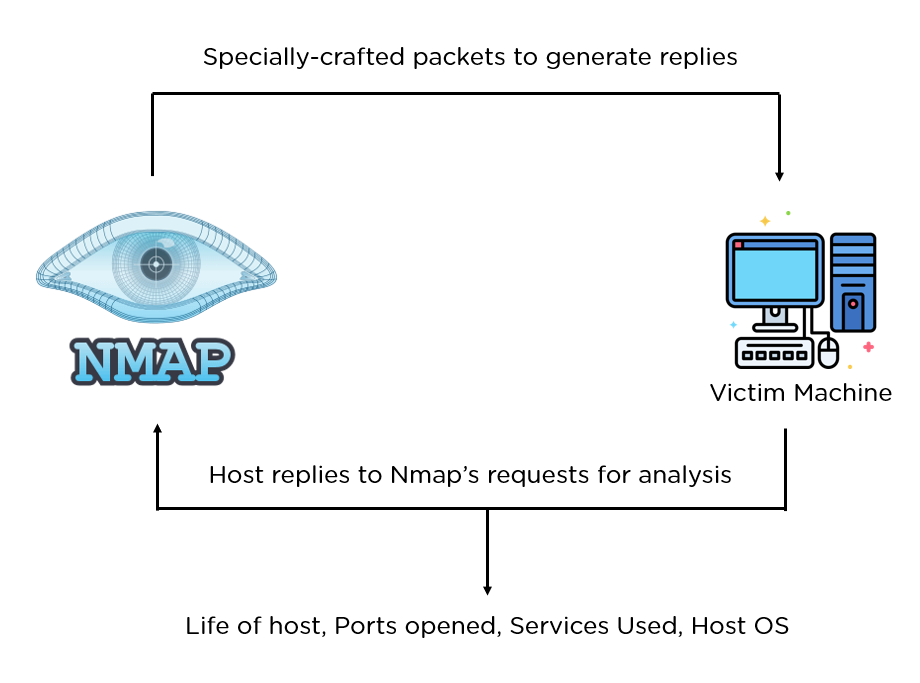 A Comprehensive Guide to Using MetasploitA Comprehensive Guide to Using NmapNmap, short for Network Mapper, is a powerful open-source tool used for network exploration, security auditing, and more. It is widely used by network administrators and security professionals to discover hosts and services on a computer network, thus creating a “map” of the network. ThisHacker Noob TipsHacker Noob Tips
1. Planning Your Lab
Before diving into the setup, it’s crucial to outline the components and objectives of your lab:
- Objective: Define what you want to achieve. Are you focusing on web application security, network security, or something else?- Components: Decide on the types of machines and software you will need. This typically includes an attacker machine, vulnerable targets, and possibly a network to simulate a real-world environment.
2. Hardware and Software Requirements
Hardware
- CPU: A multi-core processor that supports virtualization (Intel VT-x or AMD-V).- RAM: At least 16GB of RAM to run multiple virtual machines (VMs) simultaneously.- Storage: A solid-state drive (SSD) with at least 500GB of storage.- Networking: A reliable internet connection and a router that supports network segmentation.
Software
- Host Operating System: Windows 10/11, macOS, or a Linux distribution.- Virtualization Software: VMware Workstation, VirtualBox, or Hyper-V.- Attacker Machine: Kali Linux or Parrot Security OS.- Target Machines: Metasploitable, OWASP Broken Web Applications, and custom vulnerable VMs.
Setting Up pfSense, OPNsense, Pi-hole, and Other DIY Open-Source ToolsOpen-source tools like pfSense, OPNsense, and Pi-hole offer powerful and flexible solutions for enhancing network security and management. This article provides in-depth, step-by-step guides for setting up these tools to create a secure and efficient home or small business network. 1. Setting Up pfSense pfSense is a robust open-source firewall
 Secure IoT HouseSecure IoT House
3. Setting Up the Virtual Environment
Step 1: Install Virtualization Software
- VMware Workstation: Download and install VMware Workstation from the official website.2. VirtualBox: Download and install VirtualBox from the Oracle website.3. Hyper-V: Enable Hyper-V on Windows through the “Turn Windows features on or off” settings.
Step 2: Create the Attacker Machine
- Download Kali Linux: Get the latest ISO from the Kali Linux website.2. Create a New VM: In your virtualization software, create a new VM and allocate at least 4GB of RAM and 20GB of storage.3. Install Kali Linux: Follow the installation prompts to set up Kali Linux.
Step 3: Create Target Machines
- Metasploitable: Download Metasploitable from the Rapid7 GitHub repository.2. OWASP Broken Web Applications: Download the VM from the OWASP website.3. Custom VMs: Create additional VMs using vulnerable configurations or specific software you want to test.
DIY IoT Security ProjectsSecuring IoT devices is critical to protect your home network and personal data from cyber threats. Here are step-by-step guides for three essential DIY IoT security projects: setting up a secure home network, building a secure IoT device, and creating a personal VPN. 1. Setting Up a Secure Home NetworkSecure IoT HouseSecure IoT House

4. Network Configuration
Step 1: Isolate Your Lab Network
- Virtual Network: Use your virtualization software to create a virtual network that isolates your lab from your main network.- Router Configuration: If using physical machines, configure your router to segment the lab network.
Step 2: Set Up Network Services
- DNS and DHCP: Use a VM to run DNS and DHCP services for your lab network.- Firewall: Implement a firewall VM to control traffic between your attacker and target machines.
5. Installing Essential Tools
On Kali Linux
- Nmap: For network scanning and discovery.2. Burp Suite: For web application security testing.3. Wireshark: For network traffic analysis.4. Metasploit: For exploiting vulnerabilities.5. Sqlmap: For SQL injection testing.6. John the Ripper: For password cracking.
A Comprehensive Guide to Using Burp Suite and OWASP ZAPBurp Suite and OWASP ZAP are two of the most popular tools for web application security testing. This guide will provide an in-depth look at how to use both tools effectively, covering installation, basic usage, and advanced features. 1. Introduction to Burp Suite and OWASP ZAP Burp Suite is aHacker Noob TipsHacker Noob Tips

On Target Machines
- Vulnerable Services: Install services with known vulnerabilities, such as outdated versions of Apache, MySQL, and PHP.2. Custom Scripts: Write or download scripts that create specific vulnerabilities for testing.
6. Advanced Configurations
Active Directory Lab
- Windows Server: Set up a Windows Server VM and configure it as an Active Directory Domain Controller.2. Client Machines: Add Windows client VMs to the domain.3. Vulnerable Configurations: Intentionally misconfigure security settings to create vulnerabilities.
Pivoting and Lateral Movement
- Multiple Subnets: Create multiple subnets within your virtual network.2. Routing and VPNs: Set up routing and VPNs to simulate real-world network environments.
Navigating Cybersecurity Training: A Guide to TryHackMe, Hack The Box, and PentesterLabIntroduction The cybersecurity landscape is constantly evolving, requiring professionals to continuously update their skills. To meet this demand, a variety of online platforms offer hands-on cybersecurity training and testing environments. Three such platforms – TryHackMe, Hack The Box, and PentesterLab – have gained popularity for their interactive learning approach. This article providesHacker Noob TipsHacker Noob Tips

7. Maintenance and Updates
- Regular Updates: Keep all software and VMs updated to ensure you are working with the latest vulnerabilities and tools.- Snapshots: Regularly take snapshots of your VMs to save their state and quickly revert if needed.- Backup: Maintain backups of your entire lab setup to prevent data loss.
8. Learning and Practice
- Online Courses: Enroll in courses from platforms like StationX, Cybrary, and Udemy to enhance your skills.- Capture The Flag (CTF): Participate in CTF competitions to apply your skills in real-world scenarios.- Community Engagement: Join forums and communities like Reddit’s r/netsec and the OWASP Slack channel to stay updated and seek help.
By following this comprehensive guide, you can set up a robust and versatile hacking lab that will serve as a powerful tool for learning and practicing ethical hacking techniques.
Citations: [1] https://www.stationx.net/how-to-create-a-virtual-hacking-lab/ [2] https://www.youtube.com/watch?v=o92CG58tAzk [3] https://www.wattlecorp.com/top-7-ethical-hacking-tools/ [4] https://learn.microsoft.com/en-us/azure/lab-services/class-type-ethical-hacking [5] https://pentestmag.com/build-your-own-pentest-lab-for-2024/ [6] https://owasp.org/www-project-hacking-lab/ [7] https://www.blackhat.com/us-24/training/schedule/